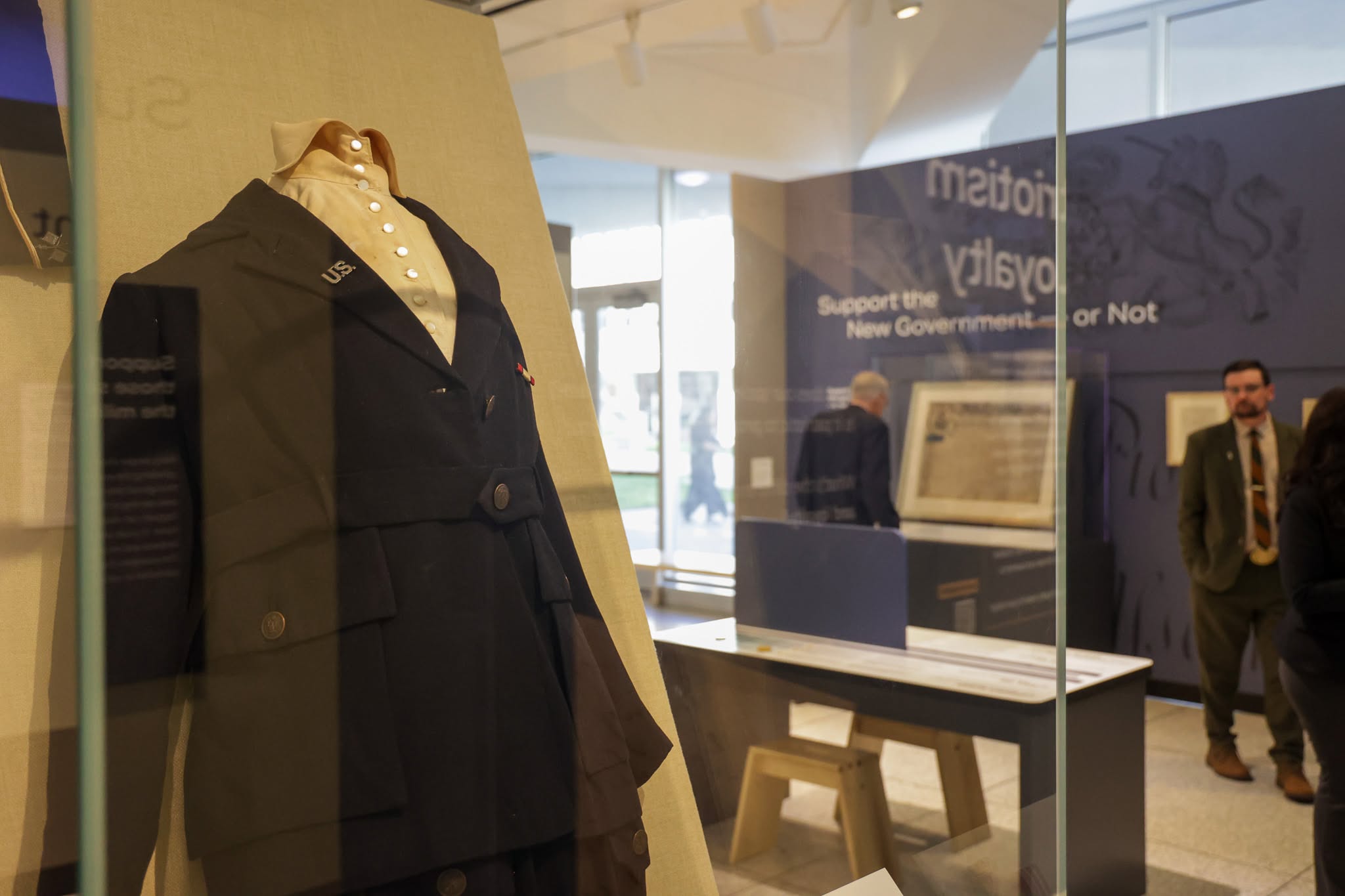
1. Diverse Exhibits
The New Jersey State Museum in Trenton offers a comprehensive look at the state’s natural and cultural evolution through its diverse collections of archaeology, ethnography, fine art, and natural history.
Key Exhibits and Themes
The museum organizes its displays to highlight New Jersey’s unique role in American history and its biological diversity:
- Pretty Big Things: Stories of New Jersey History: This long-term core exhibition uses a non-traditional, non-chronological approach to tell stories of everyday life from colonial times to the present. It focuses on oversized artifacts, such as a 1,400-pound Trenton-made anvil, an iron whale-blubber rendering pot from the Jersey Shore, and a “grandfather” clock created by the first African-American clockmaker.
- The Fine Art Collection: The American Perspectives exhibit showcases the state’s artistic heritage, featuring works by talented New Jersey artists and artisans.
- Natural History and Science: The museum features an active Paleo Lab where visitors can interact with scientists working on real fossils. It also houses a Planetarium that offers 360-degree celestial shows and customized sky talks.
- Indigenous Heritage: Exhibits such as A Much Moved People preserve the traditions and history of the Delaware Indians.
Historical Significance
A recurring theme throughout the museum is the tension and progress between revolutionary ideals and their practical application. Current displays focus heavily on the United States Semiquincentennial (250th anniversary), exploring how the foundational documents of the 1770s continue to influence civic dialogue and equality in New Jersey today.
Rotating and Special Exhibits
Changing exhibitions are a primary draw for repeat visitors, often focusing on specific eras or local archives:
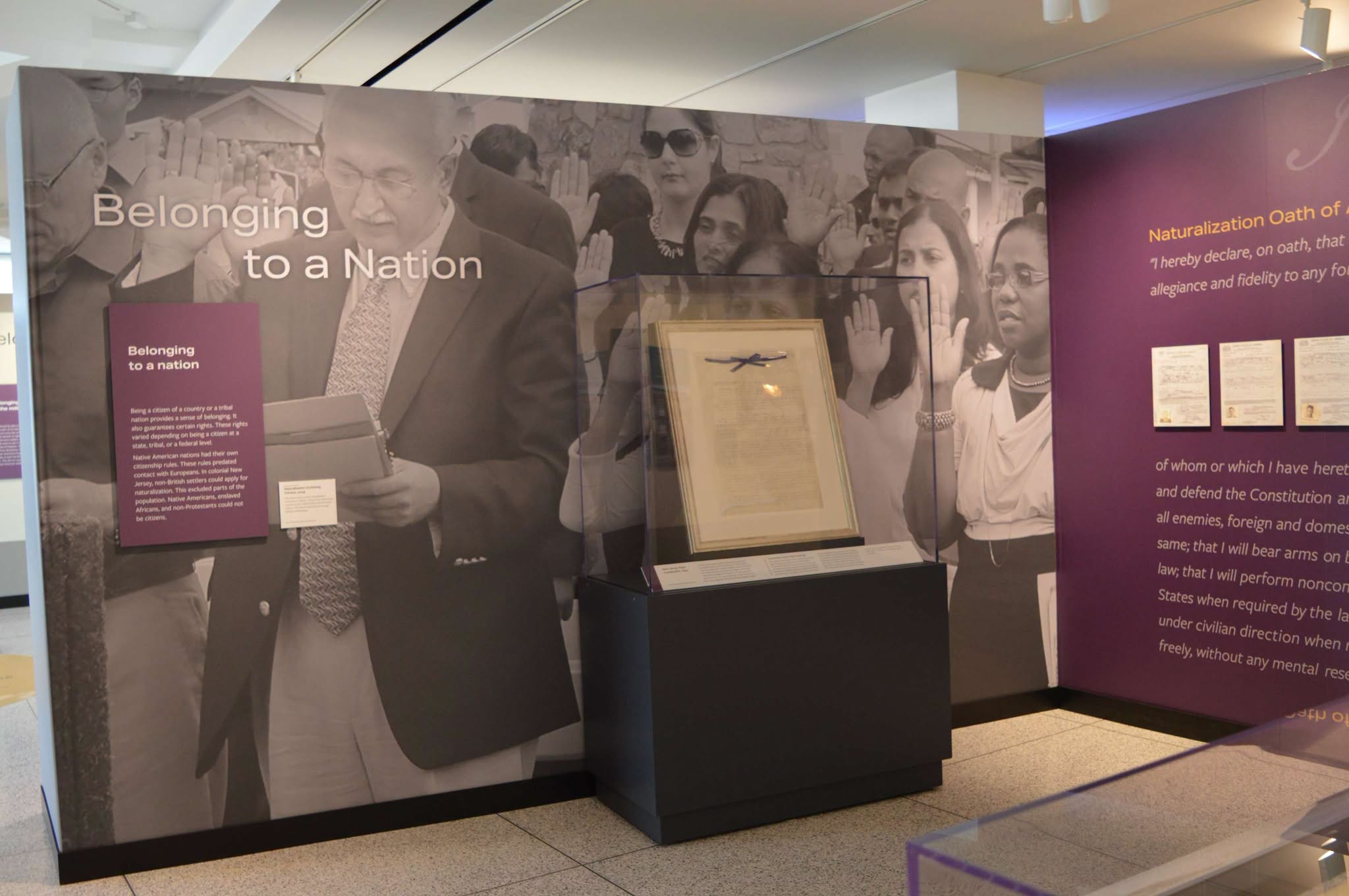
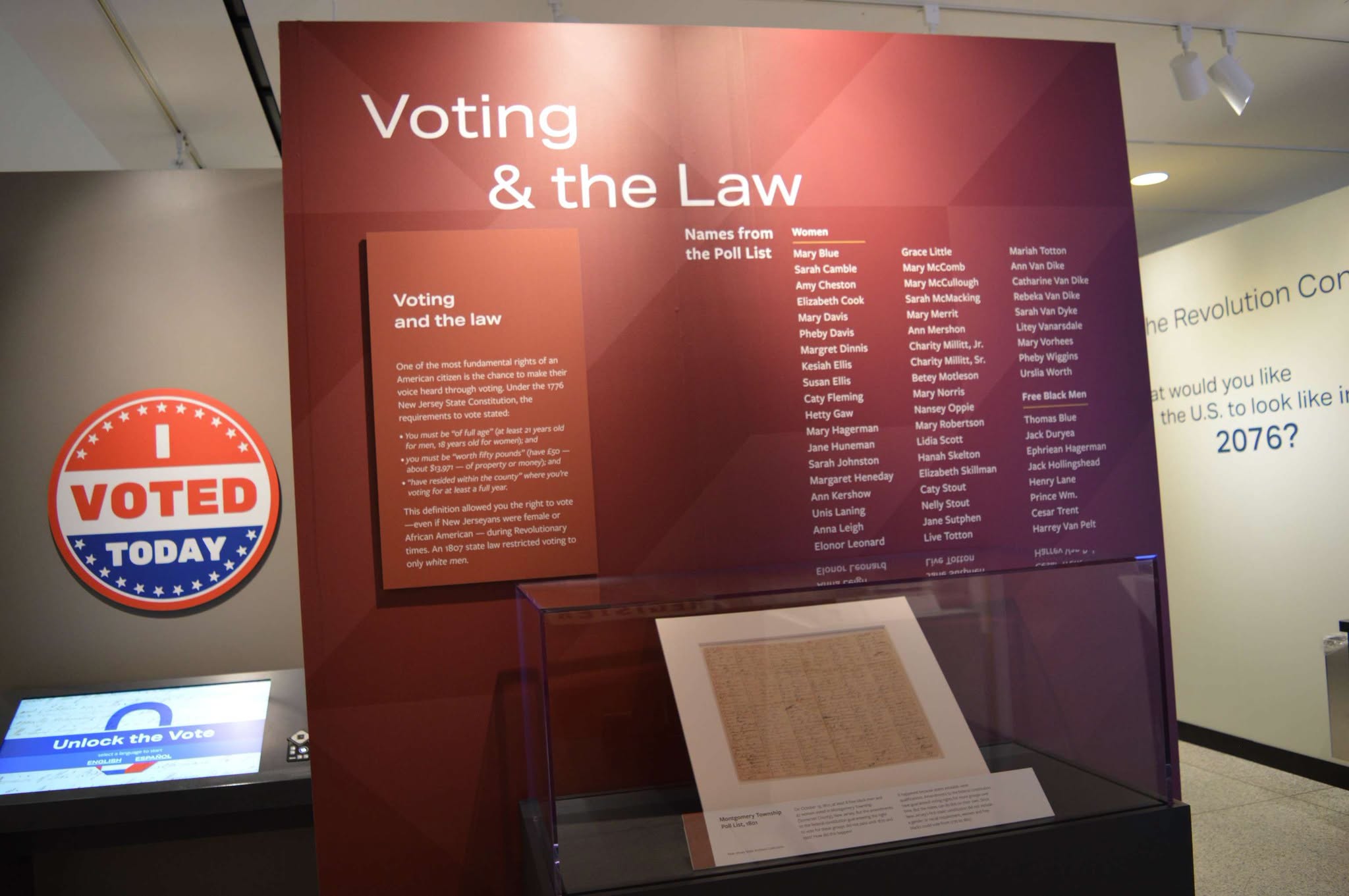
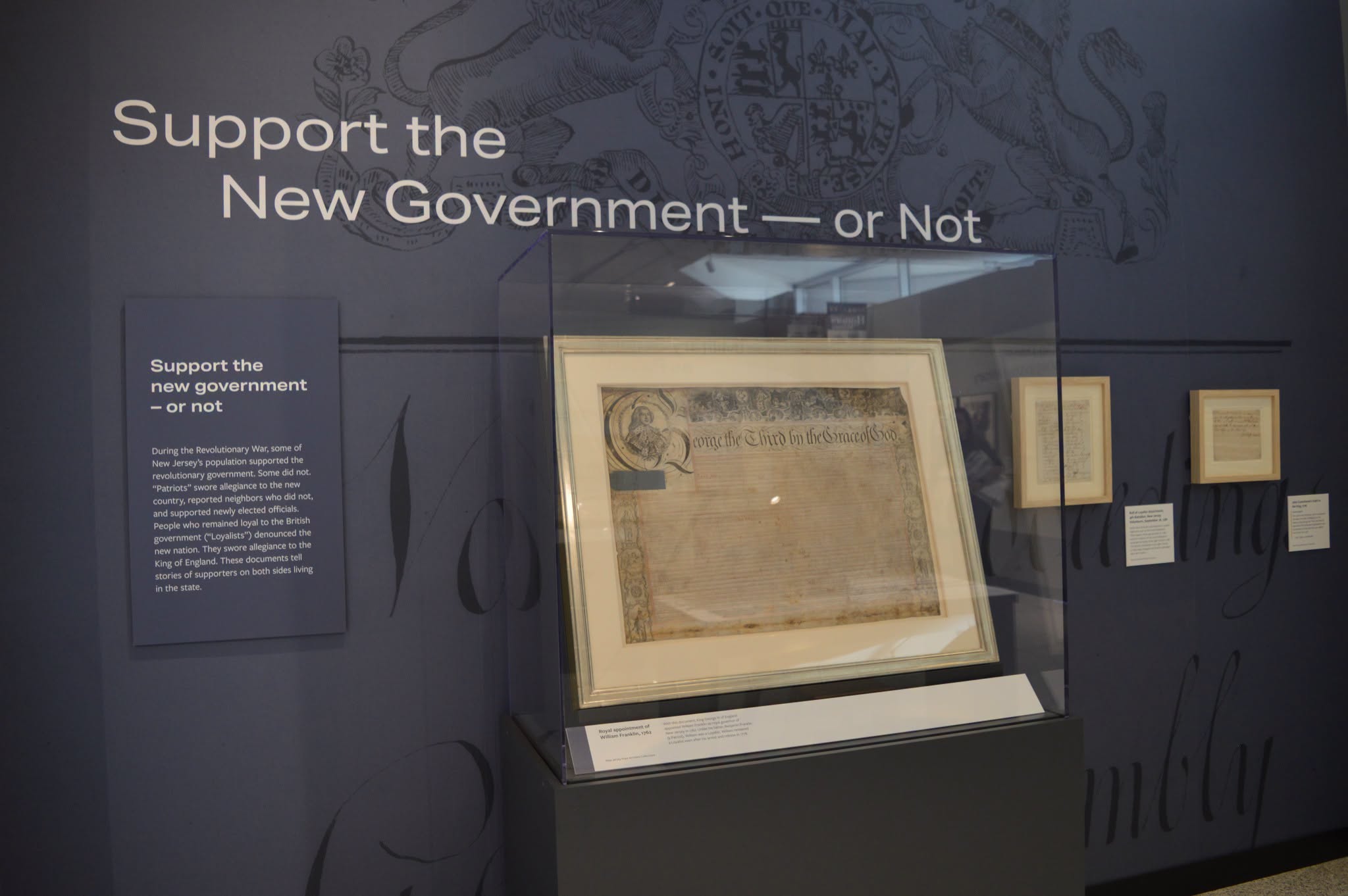
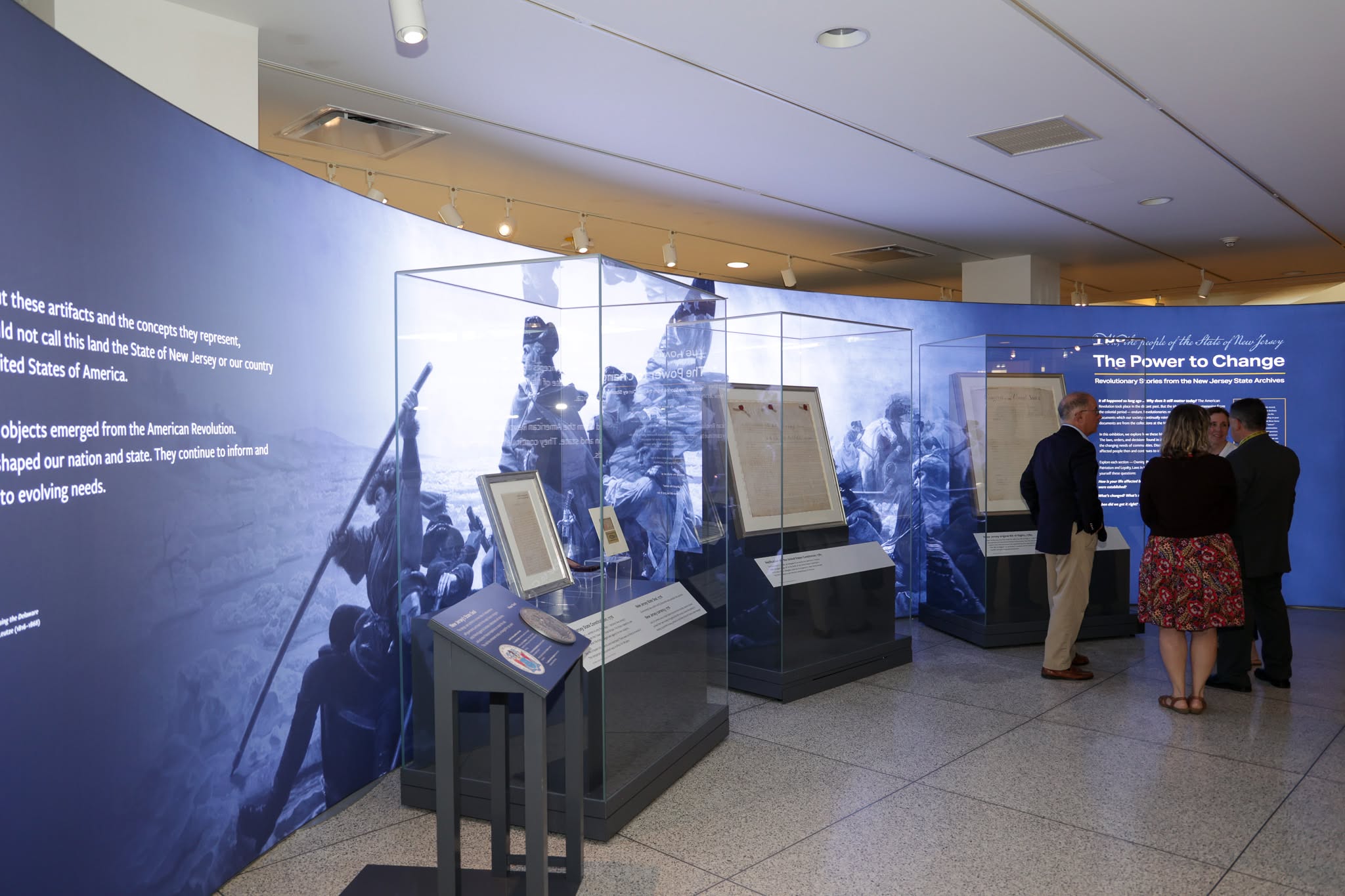
- Revolutionary Stories: The current exhibit, “The Power to Change: Revolutionary Stories from the New Jersey State Archives,” showcases rare documents including the 1776 State Constitution, the Ratification of the U.S. Constitution, and the Bill of Rights.
- Cultural Nostalgia: Recent rotating displays like “Spirit of ’76: The Bicentennial” take visitors back to the 1970s, using artifacts like platform shoes and pinball machines to reflect on how the nation celebrated its 200th birthday fifty years ago.
- Local Archaeology: The museum frequently hosts themed exhibits, such as “History Beneath Our Feet,” which examines the archaeological discoveries of Trenton’s urban landscape.
2. Art Collections
The New Jersey State Museum integrates its fine art collection as a bridge between the state’s natural history and its cultural evolution, ensuring that visitors experience history not just as a series of dates, but as a visual and emotional narrative.
Notable Pieces and Collection Highlights
The museum’s art collection focuses on the diversity of American visions from the 19th through the 21st centuries. Key highlights include:
- The “Remembering the Revolution” Collection: This area features commemorative art, most notably the bronze panels by Thomas Eakins that depict the Battle of Trenton. These are regarded as some of the finest examples of commemorative achievement in the collection.
- American Perspectives: This long-term installation showcases a range of styles, including academic, expressionist, folk, modernist, and visionary art. A specific highlight is the work of Charles Ward, such as his 1934 Study for Mural.
- Artisan Craftsmanship: The collection emphasizes the intersection of art and utility, featuring works like the ceramics created by master potter Isaac Broome for the 1876 World’s Fair.
Enhancing the Visitor Experience
The art collection is strategically curated to add depth to the museum’s broader historical and scientific exhibits:
- Contextualizing History: By placing “significant NJ artists within the context of American art,” the museum allows visitors to see how local creators were influenced by global trends—such as travel to Europe—and how major political or cultural events shaped their work.
- Bridging Eras: The art galleries provide a stylistic timeline that complements the archaeological and natural history sections. While the fossils show biological evolution, the art collection shows the evolution of human perspective and identity in the Garden State.
- Diverse Voices: The inclusion of diverse voices—from immigrant artists to folk artists—ensures that the visitor experience is inclusive, reflecting the multicultural reality of New Jersey’s population.
3. Unique History
The New Jersey State Museum serves as the state’s primary repository for its natural and cultural heritage. Formally established by the New Jersey State Legislature in 1895, it has evolved into the largest museum collection in the state, housing over 2.4 million artifacts.
Role in Preserving State History
The museum acts as a steward of New Jersey’s identity by collecting and exhibiting specimens in natural history, archaeology, ethnography, and industrial history. Its role is not only to store these objects but to interpret them for the public. This is exemplified by its partnership with the New Jersey State Archives, which allows the museum to bring rare, high-security documents out of the vaults and into the public eye to educate citizens on the foundational laws and rights of their state.
Unique Artifacts and Local Stories
The museum utilizes specific artifacts to humanize the state’s history and tell stories of everyday life:
- Foundational Documents: The museum displays the state constitution of 1776 (New Jersey’s declaration of independence from the British crown) and the state’s ratification of the U.S. Constitution (1787) and the Bill of Rights (c. 1789), highlighting New Jersey’s role as the third state to ratify the Constitution.
- Indigenous and Colonial History: A 1677 vellum deed bears the marks of Indigenous leaders who sold rights to what is now Gloucester County to English settlers, illustrating the early complex interactions between tribes and colonists.
- Industrial Heritage: The “Pretty Big Things” exhibit features a 1,400-pound anvil from Trenton’s Fisher & Norris Eagle Anvil Works, showcasing the city’s industrial prowess.
- Cultural Diversity: The collection includes a “grandfather” clock made by the first African-American clockmaker, telling a story of skill and entrepreneurship amidst the constraints of the era.
- Natural History: The museum features the nearly complete skeleton of a Hyposaurus, a prehistoric crocodile that lived in Gloucester County approximately 65 million years ago.
4. Visitor Experience
The New Jersey State Museum is designed to be an accessible and engaging destination for visitors of all ages, offering a mix of self-guided exploration and structured educational programming.
Amenities and Services
Visitors can take advantage of several facilities designed for convenience and learning:
- Planetarium: A major highlight of the museum, the 140-seat planetarium uses “Full Dome” video technology to present public shows on space exploration, the solar system, and constellations.
- Auditorium: The museum includes a 384-seat auditorium used for lectures and events.
- Admission: Most areas of the museum offer free admission, making it an affordable cultural destination.
Tours, Workshops, and Events
The museum actively engages the community through the Bureau of Education and Public Programs:
- Educational Programming: The museum provides school groups with access to workshops, museum-based classes, and exhibition tours.
- Public Shows: The planetarium hosts public shows on weekends, during the summer, and over spring and winter school vacations.
- Guided Experiences: Guided tours and special events featuring workshops and guest speakers are available to enhance the visit.
Accessibility and Family-Friendly Features
The museum is structured to be welcoming to a wide range of guests:
- Family-Friendly Environment: The museum is cited as a captivating destination for families, featuring interactive displays and educational programs specifically designed to engage young minds.
- All-Ages Appeal: Reviewers frequently note that the museum is suitable for all ages, with enthusiastic guides and helpful staff to assist guests.
- General Layout: The facility is described as well-organized and clean across its four floors of exhibits.